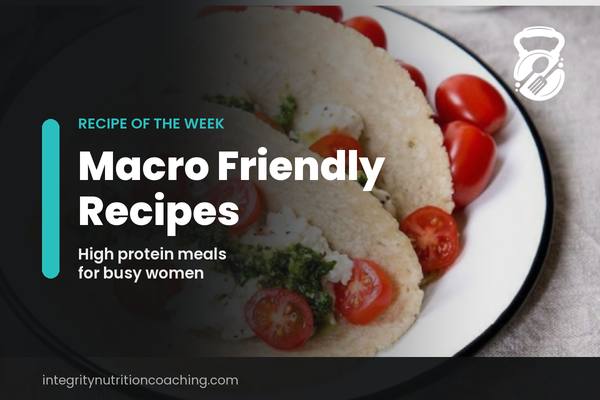
Hot Maple Lime Shrimp (19g Protein, 2g Fat Per Portion)
Shrimp is the answer to the Tuesday you forgot to plan for. It goes from raw to done in about four minutes, it does not need to thaw for six hours first, and nobody in your house treats it like health food even though it is one of the leanest proteins you can buy.
This one is sweet and a little bit hot, and it comes out of my Time to Eat cookbook. Divided into five portions, each one lands 19 grams of protein, 7 grams of net carbs, and 2 grams of fat. The whole pan is 93 grams of protein. Two grams of fat per portion is not a typo, and that number is the reason this recipe is more useful than it looks.
Why a 2 gram fat dinner is a gift, not a punishment
Most fat loss recipes try to be the whole meal. This one is deliberately not, and that is what makes it flexible.
When a dinner arrives with 19 grams of protein and almost no fat attached to it, you get to decide where the rest of your day goes. Avocado on the side. Olive oil in the pan. A real serving of rice underneath it. A cookie after, if that is what is left in your numbers. The meal bends around your day instead of forcing your day to bend around it.
Compare that to the version of dinner most women default to when they are tired, which is something breaded, fried, or drowning in a cream sauce. That plate arrives with its fat already spent, usually 30 or 40 grams of it, and it does not ask your permission first. Then you are backfilling the rest of the day around a decision you did not consciously make.
Shrimp itself is worth knowing about. It is close to pure protein by weight, it digests easily, and it is one of the few proteins that genuinely cooks faster than takeout arrives. When I say deficits are earned, this is the kind of meal that earns one without you feeling like you are white knuckling anything. If you want the framework underneath all of this, my post on how to use macros lays out how the numbers actually get built.
Hot Maple Lime Shrimp
Straight from my Time to Eat cookbook, macros exactly as listed there.

Total recipe: Protein 93g, Net Carbs 36g, Fat 8g
Per portion, divided into 5 equal portions: Protein 19g, Net Carbs 7g, Fat 2g
Ingredients
2 tbsp (40g) pure maple syrup
Zest and juice of 1 lime, separated
Dash of red pepper flakes, to taste
1/2 tsp coarse salt, plus more to taste
1/8 tsp dried ginger
1/8 tsp garlic salt
1/8 tsp smoked paprika
2 green onion tops (24g)
1 lb (448g) large shrimp, dried, butterflied
Broth, as needed
Instructions
In a 2 cup glass measuring cup, mix the maple syrup, lime zest, and spices.
Place in the microwave, do not heat yet.
Slice the green onion tops diagonally into long pieces.
Heat a nonstick pan over medium.
Add the dried shrimp and lime juice, and cook until pink, adding broth if needed.
In the last minute, microwave the sauce 20 seconds and stir.
Remove the shrimp to a serving bowl.
Pour the sauce over the shrimp and toss to coat.
Garnish with green onions, red pepper flakes, and coarse salt.
Two things that matter more than they sound like they should. Pat the shrimp dry before it hits the pan, because wet shrimp steams instead of searing. And hold the sauce until the end. Maple syrup over direct heat for several minutes turns bitter and sticky, which is why it gets warmed separately and poured on at the finish.
One honest note on the numbers: macros move with the brand of syrup and the size of the shrimp you buy. Log what is actually in your kitchen instead of assuming your bag matches mine.
How to fit this into your day
Treat one portion as a protein anchor, not a finished dinner. At 19 grams of protein it is a starting point, and most women I coach eat two portions at dinner without thinking twice about it.
On a training day, this belongs over rice. A cup of jasmine rice under two portions gives you roughly 38 grams of protein with the carbs sitting exactly where a training day wants them, and the total fat is still low enough that you have room for a real fat source somewhere else. On a rest day, skip the rice and push volume instead: a big pile of roasted broccoli, snap peas, or a slaw with lime. Same protein, more food, and you get up from the table full.
If your fats are running low for the day, cook the shrimp in a tablespoon of olive oil rather than a dry nonstick pan. That is the easiest way to add quality fat without changing the recipe or the flavor at all.
Swaps and variations
Lower carb: swap the maple syrup for a low calorie syrup or use half. The lime and the spice are doing most of the work anyway.
Less heat: drop the red pepper flakes entirely. The maple and lime combination stands on its own, which matters if you are feeding kids.
More heat: a spoon of chili crisp or a squeeze of sriracha into the sauce before it goes in the microwave.
No shrimp: this glaze is excellent on scallops or on cubed chicken breast. Chicken needs longer, so cook it through and check the temperature rather than watching for color.
Make it a bowl: rice, shrimp, shredded cabbage, cilantro, extra lime. That is a full dinner in one bowl and it travels well.
Meal prep notes
This is written for a pound of shrimp, so it makes five portions on purpose.
Cooked shrimp keeps 2 to 3 days in the fridge, which is shorter than chicken and worth respecting. Portion it out the night you cook it rather than eyeballing it later in the week.
Reheating shrimp is where most people ruin it. It is already cooked, so anything more than warming turns it rubbery. Either eat the leftovers cold over a salad, which works genuinely well with this sweet and sour glaze, or warm it gently for 30 seconds at half power. Store the sauce separately if you can and toss it fresh each time. Cooked shrimp does not freeze well, so treat this as a fridge meal, not a freezer one.
Fast food is not the problem
You do not need more willpower on a Tuesday. You need a couple of meals that are genuinely faster than the drive through and that you already know the numbers for. That is a planning problem, not a discipline problem, and it is fixable in an afternoon.
What is harder is knowing how much of this belongs in your day, at your bodyweight, in the phase you are actually in, on a training day versus a rest day. That is the part we coach. If you liked this one, the apricot salmon from last week runs on the same idea.
And when you are done guessing and want the numbers built for you, book a call with us here. Come ready to start.
The Pan I Cook This In (and 10% Off)
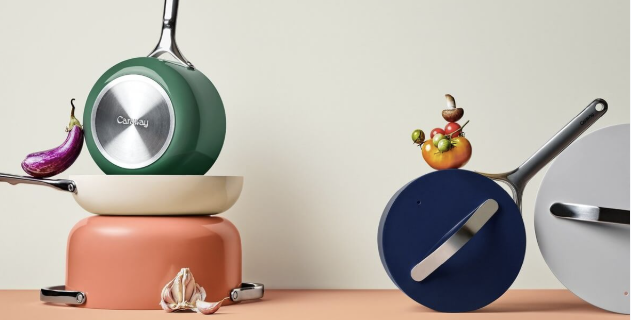
Quick one, because it matters more than people think. I cook almost everything in Caraway ceramic non-stick. It is the best non-stick pan I have used, full stop. Food slides off with barely any oil, it works on gas, electric and induction, and it goes straight into the oven up to 550°F.
Here is why a nutrition coach cares about a pan. Cooking oil is the calorie leak nobody logs. One tablespoon of oil is about 120 calories, and most of us pour it without measuring, two or three times a day. On a real non-stick surface a teaspoon does the job a tablespoon used to, which is about 80 calories saved every time you cook. Two cooked meals a day and that is over 1,000 calories a week you never tasted, gone, without eating a single bite less. That is the kind of deficit I want for you: the food stays, the calories you cannot taste go.
And the part I did not know for years: traditional Teflon-coated non-stick starts breaking down above about 500°F, which is exactly where a hot sear or an empty preheating pan lands, and the fumes it gives off are what doctors call "Teflon flu." Caraway's ceramic coating is made without PTFE, PFOA, PFAS, lead, or cadmium, so I stopped thinking about it.
Grab yours at rstr.co/caraway/coachcam and use code coachcam at checkout for 10% off. That is an affiliate link, so I earn a small commission at no extra cost to you. It is the pan every recipe in this series is cooked in.


