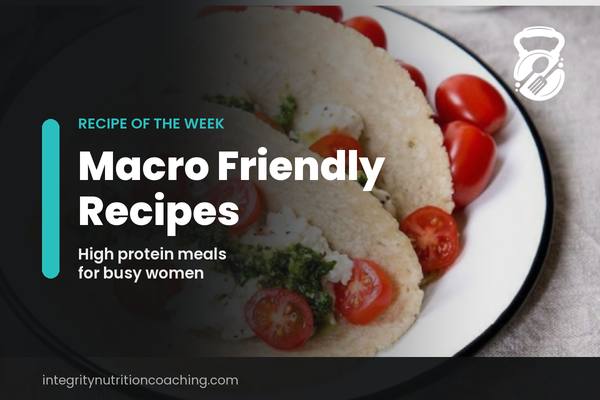
High Protein Apricot Salmon (20g Protein Per Portion)
It is 6:15 on a Tuesday. There is salmon in the fridge that has to get cooked tonight, the kids are asking what is for dinner, and you are quietly running the math on whether picking something up would really be that bad. You have been consistent all week. You do not want to undo it over one night you did not plan for.
This is the recipe for that night. Apricot salmon comes together in one saute pan in about fifteen minutes of real cooking, and it does not taste like diet food. Divided into nine portions, each one lands 20 grams of protein, 9 grams of net carbs, and 10 grams of fat. The full pan is 180 grams of protein. It is sweet, it feels a little bit fancy, and it fits inside a fat loss phase without a single ingredient getting labeled off limits.
Why this salmon works when you are trying to lose fat
Because it solves the two things that actually wreck dinner: protein and decision fatigue.
Protein is the macro most of the women I coach are short on, and dinner is where the gap usually shows up. Breakfast and lunch tend to be repeatable. Dinner is where the day goes sideways. Two pounds of salmon gives you 180 grams of protein to work with, which means tomorrow does not start in a hole.
Protein does two jobs during a fat loss phase. It keeps you full, because gram for gram it is the most satiating macro you have. And it protects the muscle you are building in the gym while you are eating in a deficit. Lose weight without enough protein and a real slice of what comes off is the exact tissue you have been working to keep. That is why we build the plate around protein first and let everything else fill in around it. If you want the whole framework, my post on how to use macros walks through it step by step.
The fat here is not an accident either. Salmon brings its own omega 3s, so most of the fat in this dish is doing something useful for you rather than just riding along.
And then there is the glaze, which is the part most fat loss recipes get wrong. Apricot preserves and maple syrup are sugar. They are also 84 grams of net carbs spread across nine portions, which is 9 grams a portion. Sugar in a sauce is not what is keeping you stuck. Untracked food is. When the numbers are on the page, a sweet glaze is just carbs you planned for.
Apricot Salmon
This one comes straight out of my Time to Eat cookbook. Macros are listed exactly as they appear there.

Total recipe: Protein 180g, Net Carbs 84g, Fat 86g
Per portion, divided into 9 equal portions: Protein 20g, Net Carbs 9g, Fat 10g
Ingredients
1/4 cup (72g) reduced sugar apricot preserves
1/4 cup (80g) pure maple syrup
2 tbsp (28g) canola oil
1 tbsp (9g) minced garlic
2 lb (896g) raw skin-off salmon fillets
Zest of one lemon, roughly 1 tbsp (6g)
2 tbsp (6g) fresh chopped lemon thyme
Instructions
In a large saute pan, combine the preserves, maple syrup, oil, and garlic.
Bring the mixture to medium heat, whisking to break up the preserves.
Cover, reduce the heat, and simmer 3 minutes.
Whisk again and add the fish.
Bring the heat back up to medium and cook 10 minutes, or until the fish flakes with a fork.
Sprinkle the lemon zest and thyme over the top.
Two notes from the cookbook. I always have a jar of Trader Joe's apricot jam in the pantry or fridge because the taste and the macros are both great. And I grew lemon thyme in a container one summer so that is what I used here, but store bought thyme works just fine.
One honest caveat on the numbers: macros shift with the brand of preserves you buy and the exact cut of salmon you get. Log what is actually in your kitchen rather than assuming every jar matches mine.
How to fit this into your day
A portion of this is a protein anchor, not a whole dinner. At 20 grams of protein and 9 grams of carbs it is built to have things added to it.
If you train in the evening, put a real carb next to it. A cup of jasmine rice or a roasted sweet potato alongside two portions of the salmon turns this into roughly 40 grams of protein with the carbs positioned right where your training day wants them. If you are eating this on a rest day, keep the carb smaller and push volume instead: a sheet pan of asparagus, broccoli, or green beans roasted while the salmon cooks. Same protein, far more food on the plate, and you get up from the table actually full.
If dinner is your smallest meal because you front load your day, one portion plus a big salad does the job. If dinner is where most of your food lands, two or three portions is not a problem. Nothing about this recipe requires you to eat a specific amount of it. It requires you to know what you ate.
Swaps and variations
I love sweet, fruity flavors with fish, and this formula bends in a lot of directions.
Lower fat: cut the canola oil back, or run the same glaze on a leaner fish like cod or halibut. The sauce is the star, and it works on almost anything.
Lower carb: swap the maple syrup for a low calorie sweetener, or use half the syrup and lean on the preserves for sweetness.
No apricot in the house: peach or orange marmalade behaves nearly identically. Reduced sugar versions keep the carbs down.
No fresh thyme: dried thyme works, just use about a third as much.
You genuinely do not like salmon: chicken thighs take this glaze well. Cook them longer and check the internal temperature rather than watching for flake.
Serve it with veggies and a healthy carb and you have a complete plate without doing any extra thinking.
Meal prep notes
This recipe is written for two pounds of salmon on purpose. It is a batch, not a single serving.
Cooked salmon keeps 3 to 4 days in the fridge in an airtight container, so a Sunday batch covers dinners through midweek. Portion it out the night you cook it while the pan is still on the stove. Portions you have to build later are portions you eat by eyeball.
Salmon does not love a hard reheat. Microwaving it on full power will dry it out and make your kitchen smell like a harbor. Warm it gently at half power, or eat the leftovers cold over greens, which honestly works better with this glaze than reheating does. It does not freeze well once cooked, so treat this as a fridge meal.
The recipe is the easy part
Knowing what to cook was never really the problem. You have Pinterest. You have a shelf of cookbooks. What is harder is knowing how much of it belongs in your day, on a training day versus a rest day, at your bodyweight, with your schedule, in the phase you are actually in right now.
That is the part we coach. Macros built for your body, adjusted as your body changes, with strength training that gives the protein somewhere to go. If you want a look at the training side of that, start with my post on strength training for busy women.
And if you are done guessing and ready to have it built for you, book a call with us here. Come ready to start.
The Pan I Cook This In (and 10% Off)
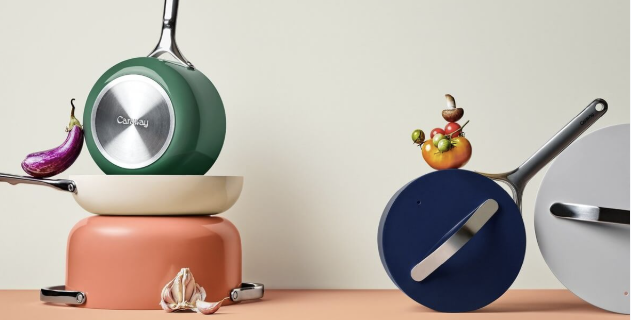
Quick one, because it matters more than people think. I cook almost everything in Caraway ceramic non-stick. It is the best non-stick pan I have used, full stop. Food slides off with barely any oil, it works on gas, electric and induction, and it goes straight into the oven up to 550°F.
Here is why a nutrition coach cares about a pan. Cooking oil is the calorie leak nobody logs. One tablespoon of oil is about 120 calories, and most of us pour it without measuring, two or three times a day. On a real non-stick surface a teaspoon does the job a tablespoon used to, which is about 80 calories saved every time you cook. Two cooked meals a day and that is over 1,000 calories a week you never tasted, gone, without eating a single bite less. That is the kind of deficit I want for you: the food stays, the calories you cannot taste go.
And the part I did not know for years: traditional Teflon-coated non-stick starts breaking down above about 500°F, which is exactly where a hot sear or an empty preheating pan lands, and the fumes it gives off are what doctors call "Teflon flu." Caraway's ceramic coating is made without PTFE, PFOA, PFAS, lead, or cadmium, so I stopped thinking about it.
Grab yours at rstr.co/caraway/coachcam and use code coachcam at checkout for 10% off. That is an affiliate link, so I earn a small commission at no extra cost to you. It is the pan every recipe in this series is cooked in.


