Stovetop Braised Beef Recipe, 20g Protein
It is a Tuesday in late October, it got dark at 6:30, and the last thing you want to do is stand over a pan after a full day. This is the recipe for that night. One pot, nine portions, and it comes out at 20 grams of protein and 6 grams of net carbs per portion. You brown it once, dump everything else in, and walk away for 90 minutes while it does the work.
Why This Meal Works for Fat Loss
Chuck roast is not the lean cut you reach for every night, and this recipe is not pretending otherwise. The whole batch runs 181 grams of protein against 171 grams of fat, which lands each of the nine portions at 20 grams of protein and 19 grams of fat. That fat number is honest and it is on purpose. This is a comfort meal, not a cutting meal, and the two are allowed to be different things in the same week.
Here is the part that actually matters for you. Hitting your protein target does not mean every dish has to be chicken breast and broccoli. If you are at maintenance, reversing, or just need a meal that reheats and holds its texture, 20 grams of protein in a braise this rich still counts toward the number you are tracking. The gochujang and beef broth give it a depth you cannot get from a dry rub, and the long simmer means the connective tissue breaks down instead of leaving you with tough, chewy bites.
The fat here is not hidden in a sauce you forgot to log. It is the chuck roast itself, so you know exactly where it is coming from and you can plan the rest of your day around it. If your fat target is tight, this is a once-a-week meal, not a Tuesday-through-Friday rotation, and that is fine. Most of my clients do better long term when one meal a week is genuinely built for flavor instead of optimized down to the gram.
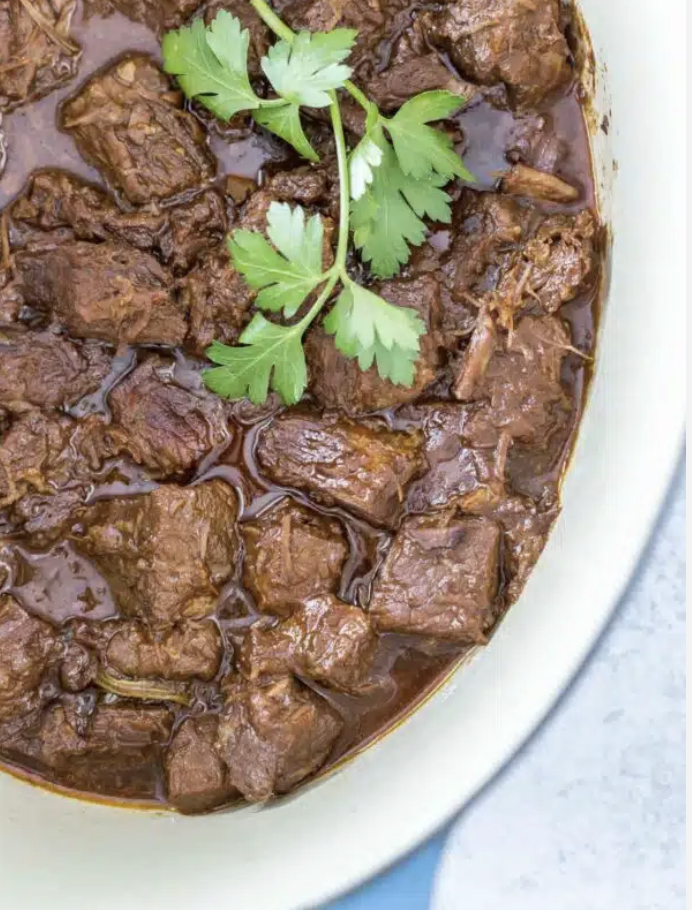
Stovetop Braised Beef Recipe
Protein 20g | Fat 19g | Carbs 6g per portion (recipe makes 9 portions, 181g protein / 54g net carbs / 171g fat total)
Ingredients
2 lb chuck roast, cut into 2 inch cubes
2 tbsp (24g) potato starch
Salt and pepper, to taste
2 medium shallots (56g), finely chopped
2.5 cups (600g) beef broth
1 smashed garlic clove
3 tbsp (54g) extra spicy gochujang paste
1 tsp (2.6g) Ceylon cinnamon
1 tsp (4g) vanilla extract
Handful of fresh chopped cilantro
Instructions
Toss the beef cubes with potato starch and let sit 15 minutes.
Season with salt and pepper.
Heat a skillet over medium-high. Brown half the beef 2 to 3 minutes per side, then remove.
Repeat with the remaining beef and set aside.
Add the shallots with a splash of broth and saute until tender.
Return the beef to the pan with the remaining ingredients, except the cilantro.
Simmer covered on low for 90 minutes.
Garnish with chopped cilantro.
Macros are from Cam's cookbook and will vary by brand and by product. One portion is one ninth of the batch, so weigh the finished beef and divide if you want it exact.
How to Fit It Into Your Day
One portion next to a cup of rice and something green is a full dinner, and the rest of your day has room to run lean around it since you already know where the 19 grams of fat is going. If you trained that day, this is a solid post-workout plate with the carbs coming from whatever you pair it with. If fat is already tight by dinner, build the rest of your meals around leaner proteins, like a chicken breast lunch or egg whites at breakfast, and let this be the one meal that is genuinely rich.
This is also a good one for a night you are eating with the family and do not want to cook two separate meals. Everyone gets the same braise, you just know your own portion and your own number.
Swaps and Variations
Cam's own note on this one: if you want it lighter, do a 50/50 mix of chuck roast and chicken thigh or breast, or swap in a leaner roast like bottom round. Either move brings the fat per portion down without changing the method. Want it less spicy? Cut the gochujang to 2 tablespoons and add a teaspoon of honey to round it out. No potato starch on hand? Cornstarch works the same way for the coating. If you want more volume without more macros, bulk it with a bag of frozen cauliflower or green beans added in the last 20 minutes of the simmer.
Meal Prep Notes
This is a batch-and-forget meal. Let it cool, then portion into nine containers once the beef has rested. It keeps 4 days in the fridge and the flavor is honestly better on day two once the broth has had time to soak in. It freezes well for up to 3 months in individual portions, and it reheats on the stovetop or in the microwave without drying out, since the braise keeps it moist the way a dry-cooked protein never does.
Not sure which of these is you? The free 2-minute quiz names which of five patterns is keeping you stuck and builds your 30-day plan on your own numbers (30 Days to Your Last Before Photo): take the quiz here.
A recipe can tell you what to eat. It cannot tell you how much of it belongs on your plate this week, or whether this is the week for a richer meal or a leaner one. That is the part coaching actually answers, and it looks different for every woman depending on her training, her week, and her goal. If you are ready to stop guessing and start eating with a plan built for your body, book your call here.
The Pan I Cook This In (and 10% Off)
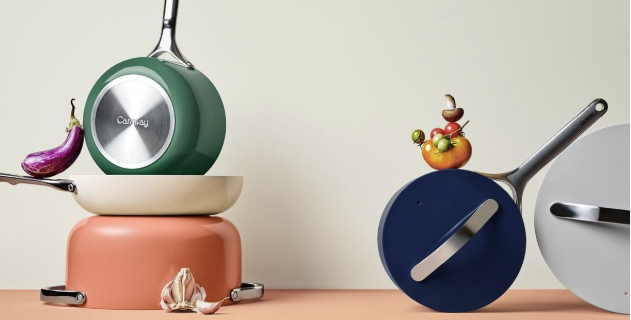
Quick one, because it matters more than people think. This is a stovetop recipe start to finish, browning and all, and I do it in Caraway ceramic non-stick. It is the best non-stick pan I have used, full stop. Food slides off with barely any oil, it works on gas, electric and induction, and it goes straight into the oven up to 550°F.
Here is why a nutrition coach cares about a pan. Cooking oil is the calorie leak nobody logs. One tablespoon of oil is about 120 calories, and most of us pour it without measuring, two or three times a day. On a real non-stick surface a teaspoon does the job a tablespoon used to, which is about 80 calories saved every time you cook. Two cooked meals a day and that is over 1,000 calories a week you never tasted, gone, without eating a single bite less. That is the kind of deficit I want for you: the food stays, the calories you cannot taste go.
And the part I did not know for years: traditional Teflon-coated non-stick starts breaking down above about 500°F, which is exactly where a hot sear or an empty preheating pan lands, and the fumes it gives off are what doctors call "Teflon flu." Caraway's ceramic coating is made without PTFE, PFOA, PFAS, lead, or cadmium, so I stopped thinking about it.
Grab yours at rstr.co/caraway/coachcam and use code coachcam at checkout for 10% off. That is an affiliate link, so I earn a small commission at no extra cost to you. It is the pan every recipe in this series is cooked in.