Lean Beef Ragu Recipe (20g Protein per Portion)
It is 6pm, you have ground beef thawed and no plan, and the easy move is a box of pasta that leaves you starving again by 8. This is the other option. One pan, twenty minutes of actual cooking, and it lands at 20 grams of protein, 9 grams of fat, and 13 grams of net carbs a portion. Six portions from one pot, and the "pasta" is shirataki noodles, so the volume on your plate is enormous for the carbs it costs you.
Why This Meal Works for Fat Loss
Ground beef gets treated like a cheat food by people who have never looked at the label on lean beef. This recipe uses lean ground beef with almost none of the fat coming from the meat itself, so the 9 grams of fat per portion is mostly the ricotta on top, which means you can see it and control it. That matters because a sauce this rich usually hides its fat in butter and oil you never measured.
The bigger move is the noodle swap. A cup of regular pasta is close to 40 grams of carbs before the sauce touches it. Shirataki noodles are almost entirely fiber and water, so the whole pot of ragu, tomatoes, gochujang and all, comes in at 75 grams of net carbs total. Split six ways that is 13 grams a portion, which leaves room for the fruit or the starch you actually want later in the day instead of spending your whole carb budget on noodles that do nothing for you.
It also solves the boredom problem. Gochujang and fennel give this a flavor that regular macro friendly cooking usually skips in favor of "safe," and a bowl this satisfying at only 20 grams of protein still leaves plenty of room to build a bigger dinner around it if you need one.
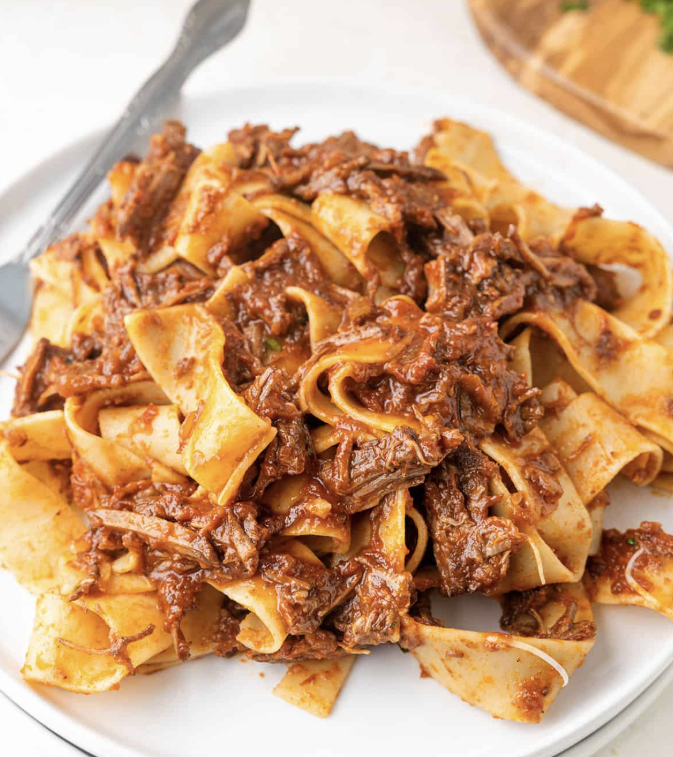
Lean Beef Ragu Recipe
Protein 20g | Fat 9g | Carbs 13g per portion (recipe makes 6 portions, 123g protein / 75g net carbs / 53g fat total)
Ingredients
1/4 cup (60ml) beef broth, plus more as needed
1 large garlic clove, smashed or minced
1/2 tsp fine sea salt
1/2 tsp ground black pepper
1 lb (454g) lean ground beef
2.5 tbsp (45g) gochujang chili paste
2 tbsp (32g) tomato paste
28 oz (794g) can San Marzano diced tomatoes in juice
1 tsp (2g) fennel seeds
Zest of one lemon
16 oz (450g) package shirataki noodles
10 tbsp (155g) ricotta
Coarse sea salt, to finish
Instructions
Thinly slice and chop fennel, reserving fronds for garnish.
Heat the beef broth in a pan, add the fennel, and saute 5 minutes.
Add the garlic, salt, pepper, and beef, and cook 6 minutes.
Stir in the gochujang, tomato paste, 1/4 cup broth, tomatoes, and fennel seeds.
Simmer 10 to 12 minutes, stirring occasionally.
Rinse and drain the shirataki noodles.
Zest the lemon over the sauce, then cut the noodles into bite size pieces and toss them in.
Heat through and garnish with fennel fronds, ricotta, and coarse sea salt.
Macros are from Cam's cookbook and will vary by brand and by product. One portion is one sixth of the batch, so weigh the finished ragu and divide if you want it exact.
How to Fit It Into Your Day
One portion at 20 grams of protein and 13 grams of carbs is an easy dinner base, not the whole plate. Add a second portion, or a side of protein like a fried egg or extra shredded chicken, if this is your main meal and you need to land closer to 35 to 40 grams. Because the carbs are already accounted for by the noodles and tomatoes, you do not need a starch on the side. A big pile of roasted vegetables or a simple salad is enough to round it out.
This is a good low carb slot on a rest day or a day when you already spent your carbs at breakfast and lunch. On a training day, it pairs well with a piece of crusty bread on the side if your numbers have room, since the dish itself will not push you over.
Swaps and Variations
Cam's own note on the cookbook page: use ground turkey instead of beef and skip the ricotta to cut the fat further, which brings the fat per portion down closer to 3 to 4 grams. No shirataki noodles available? Zucchini noodles or a small portion of regular pasta both work, just recalculate the carbs since regular pasta will add roughly 40 grams per cup. If gochujang is too spicy for your house, cut it to 1.5 tablespoons and add a teaspoon of smoked paprika to keep the depth without the heat. Dairy free version: swap the ricotta for a dairy free ricotta alternative or leave it off and finish with a drizzle of good olive oil instead.
Meal Prep Notes
This batches cleanly into six containers once it has cooled slightly. It keeps 4 days in the fridge. Shirataki noodles hold up better than regular pasta on the reheat since they do not absorb liquid the same way, so this is one of the rare pasta-style dishes that does not turn to mush by day three. Reheat covered in the microwave for 90 seconds to 2 minutes, stirring halfway. It also freezes well for up to 2 months, though the ricotta is best added fresh after reheating rather than frozen in.
The recipe gets you a good dinner. What actually decides whether that dinner moves the scale is how it fits with everything else you eat that day and how you are training around it. That is what coaching answers, and it looks different for every woman who walks in the door. If you are ready to stop guessing and start eating with a plan built for your body, book your call here.
The Pan I Cook This In (and 10% Off)
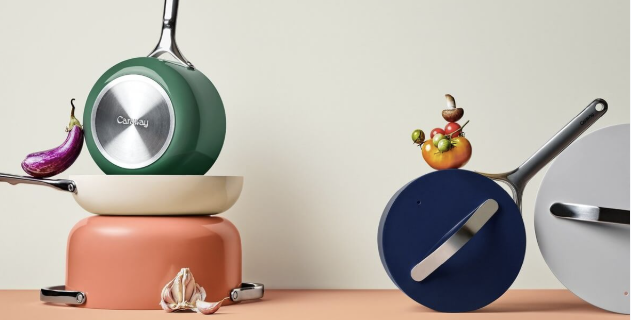
Quick one, because it matters more than people think. This ragu simmers for over 20 minutes, and the pan I use for the whole thing, browning the beef through the final toss with the noodles, is Caraway ceramic non-stick. It is the best non-stick pan I have used, full stop. Food slides off with barely any oil, it works on gas, electric and induction, and it goes straight into the oven up to 550°F.
Here is why a nutrition coach cares about a pan. Cooking oil is the calorie leak nobody logs. One tablespoon of oil is about 120 calories, and most of us pour it without measuring, two or three times a day. On a real non-stick surface a teaspoon does the job a tablespoon used to, which is about 80 calories saved every time you cook. Two cooked meals a day and that is over 1,000 calories a week you never tasted, gone, without eating a single bite less. That is the kind of deficit I want for you: the food stays, the calories you cannot taste go.
And the part I did not know for years: traditional Teflon-coated non-stick starts breaking down above about 500°F, which is exactly where a hot sear or an empty preheating pan lands, and the fumes it gives off are what doctors call "Teflon flu." Caraway's ceramic coating is made without PTFE, PFOA, PFAS, lead, or cadmium, so I stopped thinking about it.
Grab yours at rstr.co/caraway/coachcam and use code coachcam at checkout for 10% off. That is an affiliate link, so I earn a small commission at no extra cost to you. It is the pan every recipe in this series is cooked in.


